
Tag Archives: cbse board school in ahmedabad

cbse board school in ahmedabad

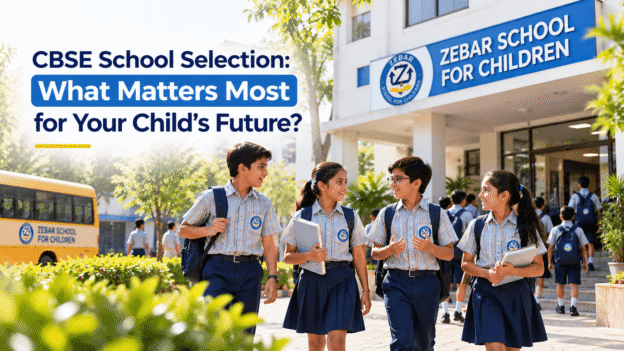
CBSE School Selection: What Matters Most for Your Child’s Future?

When your child comes home excited about something they learned, confidently shares an opinion, or starts solving a problem independently, you see the kind of growth that matters beyond report cards. As a parent, you want a school that builds these abilities while providing a strong academic foundation. If you are considering a cbse board school in ahmedabad, it helps to look beyond examination results and understand how learning happens every day. At Zebar School, parents can explore how academic learning, student participation, and opportunities for personal development fit into their child’s educational experience.

Look at How Children Learn, Not Just What They Study

The CBSE curriculum provides a structured academic framework, but the way it is taught shapes a student’s classroom experience. Children need opportunities to ask questions, connect concepts, discuss ideas, and apply what they learn instead of relying entirely on memorisation.

When evaluating Zebar School, parents should explore how classroom activities encourage students to participate actively and develop independent thinking. A lesson becomes more meaningful when children can explain an idea in their own words or use it to understand a real-world situation.

Look for teaching practices that support different learning needs. Some children understand concepts quickly, while others benefit from additional explanations or practical examples. Understanding how teachers respond to these differences can reveal whether the learning environment supports steady progress.

Find a Learning Environment That Builds Confidence

Choosing a cbse school in ahmedabad also means considering how comfortable your child will feel speaking up, trying unfamiliar activities, and learning from mistakes. Confidence develops through repeated opportunities to participate, receive constructive feedback, and take on age-appropriate responsibilities.

At Zebar School, parents can ask how students are encouraged to communicate their ideas, collaborate with classmates, and take ownership of learning tasks. These everyday experiences can help children become more independent while learning to respect different perspectives.

Classroom culture deserves attention, too. Clear expectations and respectful teacher-student relationships can create an environment where children understand boundaries without being discouraged from asking questions.

During a school visit, consider asking:

  • How do teachers encourage quieter students to participate?
  • What happens when a student struggles with a concept?
  • How are effort, improvement, and achievement recognised?
  • How does the school communicate academic progress to families?

The answers can help you understand the school’s approach beyond its curriculum and facilities.

Consider the Skills Your Child Will Need Beyond School

Academic knowledge is essential, but children also need communication, collaboration, creativity, and problem-solving skills. These abilities develop when students have opportunities to practise them, rather than simply hearing about their importance.

For example, a group assignment can teach children to divide responsibilities, listen to different viewpoints, and work towards a shared outcome. A classroom presentation can help them organise their thoughts and speak with greater clarity.

When exploring Zebar School’s educational environment, ask how activities outside conventional lessons connect with learning goals. Parents should look for purposeful experiences that help students practise skills while receiving guidance from teachers.

Area of development What parents can explore Benefit for the child
Independent thinking Open-ended classroom questions Encourages reasoning and curiosity
Communication Presentations and class discussions Builds clarity and confidence
Collaboration Group tasks and shared projects Develops teamwork and listening
Personal responsibility Student-led tasks and routines Supports accountability
Creative expression Opportunities to explore interests Encourages original thinking

The aim is to understand whether these experiences are integrated into school life and adapted to students’ developmental stages.

Assess the School Beyond Rankings and Reputation

Parents searching for the best cbse school in ahmedabad may compare examination performance, campus facilities, extracurricular activities, and public reputation. These factors can help create a shortlist, but they cannot fully explain what a child’s daily experience will be like.

Consider the practical details that influence family life. Travel time can affect sleep and after-school routines, while homework expectations determine how much time remains for rest, hobbies, and family interaction. Ask about student support, assessment practices, communication channels, and how concerns are addressed.

At Zebar School, a campus visit gives parents an opportunity to ask specific questions about the learning environment and understand whether its educational approach matches their child’s needs. Where possible, speak with the admissions team about classroom practices rather than relying on broad descriptions of school life.

No school will be the perfect fit for every child. The important consideration is whether its priorities, expectations, and support systems align with your family’s values.

Make Your School Visit More Meaningful

Before visiting, identify what matters most for your child. One family may prioritise academic support, while another may focus on confidence-building, creative opportunities, or a manageable daily schedule.

Prepare a few questions and observe how students and teachers interact during your visit. Invite your child to share their impressions afterward, especially if they will be joining a new school or moving to a different grade.

You can also review the admission process, grade-level expectations, school calendar, and parent communication practices. Clear information makes it easier to compare options using practical evidence rather than assumptions.

Frequently Asked Questions

1. What should parents consider when selecting a CBSE school?

Evaluate teaching methods, academic support, student well-being, communication, activities, and daily routines alongside examination results.

2. Why is the classroom environment important?

A supportive environment can help children ask questions, participate more comfortably, and approach unfamiliar tasks with greater confidence.

3. How can parents assess teaching quality?

Ask how teachers explain concepts, assess understanding, support students who need help, and provide feedback on progress.

4. Should extracurricular activities influence the decision?

Yes. Meaningful activities can complement academic learning by developing interests, teamwork, communication, and creativity.

Conclusion

Choosing a school means deciding where your child will build knowledge, relationships, confidence, and habits that influence future learning. As you compare options and evaluate what makes the best school in ahmedabad cbse a suitable choice for your family, look at classroom experiences, student support, practical routines, and opportunities for growth. A thoughtful decision starts with understanding your child’s needs and finding an educational environment that helps them learn with curiosity, confidence, and independence.
cbse board school in Ahmedabad

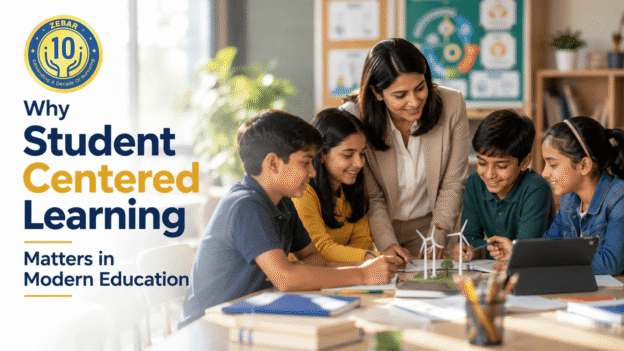
Why Student Centered Learning Matters in Modern Education

Education has evolved significantly over the years, moving beyond traditional teaching methods that focus primarily on lectures and memorization. Modern educational approaches increasingly emphasize student-centered learning, a model that places learners at the heart of the educational experience. This approach encourages active participation, critical thinking, collaboration, and independent exploration. Rather than simply receiving information, students engage with concepts in meaningful ways that promote deeper understanding and long-term retention. For families evaluating a cbse board school in Ahmedabad, understanding the importance of student-centered learning can provide valuable insight into how educational practices influence overall development.

Understanding Student-Centered Learning

Student-centered learning is an educational approach that focuses on the needs, interests, abilities, and learning styles of students. In this model, teachers act as facilitators who guide learning rather than solely delivering information.

Key characteristics of student-centered learning include:

  • Active participation in lessons
  • Collaborative learning opportunities
  • Personalized learning experiences
  • Encouragement of critical thinking
  • Greater student responsibility

This approach allows learners to take ownership of their educational journey while developing confidence in their abilities.

How Student-Centered Learning Improves Academic Outcomes

Many educators in a cbse school in Ahmedabad and similar institutions recognize that students learn more effectively when they are actively involved in the learning process. Student-centered classrooms encourage engagement and curiosity, helping learners connect theoretical concepts with practical applications.

Academic benefits often include:

  • Better understanding of concepts
  • Increased classroom participation
  • Stronger problem-solving abilities
  • Improved retention of information
  • Greater motivation to learn

When students are encouraged to ask questions, explore ideas, and participate in discussions, they develop a deeper connection with the subject matter.

Developing Essential Life Skills

Beyond academics, student-centered learning supports the development of important life skills that remain valuable throughout adulthood. By engaging in collaborative projects, discussions, and independent research, students gain experience in areas that extend beyond classroom content.

Some important skills developed through this approach include:

  • Communication
  • Leadership
  • Teamwork
  • Decision-making
  • Adaptability

These competencies help students navigate future educational, professional, and personal challenges more effectively.

Student-Centered Learning and Skill Development

Learning Activity

Skill Developed

Group Discussions

Communication

Project-Based Learning

Collaboration

Independent Research

Critical Thinking

Presentations

Confidence Building

Problem-Solving Tasks

Decision-Making

The combination of academic learning and skill development contributes to a more comprehensive educational experience.

Creating Engaged and Motivated Learners

Educational institutions often included among the top 10 schools in Ahmedabad understand the importance of keeping students engaged in the learning process. Student-centered methods encourage learners to become active participants rather than passive observers.

Teachers support engagement by:

  • Encouraging questions and exploration
  • Providing interactive learning experiences
  • Offering opportunities for choice and creativity
  • Supporting individual learning styles
  • Promoting collaborative activities

When students feel that their ideas and perspectives are valued, they are more likely to remain motivated and invested in their education.

This increased engagement often leads to stronger academic performance and a more positive attitude toward learning.

Preparing Students for a Changing World

Modern society requires individuals who can think critically, solve problems, adapt to new situations, and work effectively with others. Student-centered learning helps prepare students for these demands by focusing on skills that are increasingly important in today’s world.

Long-term advantages of this approach include:

  • Greater independence in learning
  • Improved analytical abilities
  • Enhanced creativity
  • Stronger communication skills
  • Increased confidence in decision-making

These qualities help students become lifelong learners who can continue adapting and growing in response to changing opportunities and challenges.

By encouraging curiosity and active participation, student-centered learning creates a strong foundation for future success in both education and professional life.

Frequently Asked Questions

1. What is student-centered learning?

Student-centered learning is an educational approach that focuses on active student participation, personalized learning experiences, and collaborative problem-solving.

2. How does student-centered learning differ from traditional teaching?

Traditional teaching often focuses on teacher-led instruction, while student-centered learning encourages students to take a more active role in their education.

3. Does student-centered learning improve academic performance?

It can support better understanding, engagement, retention, and application of knowledge by involving students more deeply in the learning process.

4. What skills do students gain from this approach?

Students often develop communication, collaboration, critical thinking, leadership, and problem-solving skills.

5. Why is student-centered learning important in modern education?

It helps prepare students for future challenges by encouraging independent thinking, adaptability, and lifelong learning habits.

Conclusion

Student-centered learning has become an important component of modern education because it promotes active engagement, deeper understanding, and the development of essential life skills. By placing learners at the center of the educational process, this approach helps students build confidence, think independently, and take ownership of their learning journey. The benefits extend beyond academics, supporting personal growth and future readiness. For families evaluating the best school in Ahmedabad cbse, understanding the value of student-centered learning can be an important consideration. Educational institutions such as Zebar School contribute to the broader goal of creating meaningful learning experiences that support both academic achievement and holistic development.

cbse board school in ahmedabad

The Importance of Holistic Learning in School Education

cbse board school in ahmedabad

Education today is evolving beyond traditional classroom teaching. Schools are increasingly focusing on holistic learning methods that support academic achievement along with emotional, social, and personal development. A balanced educational approach helps students become confident individuals who are prepared for future responsibilities and opportunities. Parents searching for a reliable cbse board school in Ahmedabad often value institutions that encourage complete student growth rather than focusing only on examinations.

Holistic learning creates an environment where children can develop critical life skills, creativity, and confidence alongside strong academic foundations.

Understanding Holistic Learning in Education

Holistic learning refers to an educational approach that nurtures every aspect of a child’s development. It combines academics with physical activities, creativity, communication, leadership, and emotional well being.

This learning model encourages students to:

  • Think independently
  • Participate actively in learning
  • Improve communication skills
  • Develop confidence
  • Strengthen teamwork abilities

When students experience balanced education, they become more adaptable and capable of handling different challenges effectively.

The Role of Teachers in Holistic Development

Teachers play a major role in supporting well rounded education. Their guidance influences how students approach learning, problem solving, and social interaction. Encouraging classrooms allow children to ask questions, express ideas, and participate confidently.

Effective teaching practices may include:

  • Interactive learning activities
  • Student centered discussions
  • Collaborative projects
  • Practical learning methods
  • Positive motivation and feedback

Such approaches help students develop curiosity and stronger conceptual understanding while maintaining enthusiasm for learning.

Importance of Skill Development in Modern Schools

Education systems today place growing importance on skills that prepare students for future academic and professional environments. Many schools in Ahmedabad are integrating skill based learning to encourage independent thinking and adaptability.

Important life skills supported through holistic learning include:

  • Critical thinking
  • Time management
  • Creativity
  • Emotional intelligence
  • Leadership abilities

These skills are valuable not only for academic performance but also for long term personal and professional growth. Students who learn to communicate effectively and solve problems confidently often perform better in various life situations.

Creating a Positive and Inclusive Learning Environment

A positive school environment encourages students to feel secure, motivated, and engaged in learning. Inclusive classrooms help children build healthy relationships while respecting diverse perspectives and experiences.

Characteristics of a supportive learning environment include:

  • Respectful teacher student interactions
  • Equal participation opportunities
  • Encouragement of creativity
  • Focus on emotional well being
  • Recognition of individual strengths

Such environments help students build self confidence and improve their willingness to participate actively in academic and extracurricular activities.

Frequently Asked Questions

What is holistic learning in schools?

Holistic learning focuses on developing academic, emotional, social, creative, and physical skills together for overall student growth.

Why is holistic education important?

It helps students become confident, creative, socially aware, and emotionally balanced individuals while improving academic engagement.

How do extracurricular activities support student development?

Activities such as sports, arts, and leadership programs improve teamwork, confidence, creativity, and communication skills.

What role do teachers play in holistic learning?

Teachers guide students through interactive learning experiences, encourage participation, and help build confidence and curiosity.

How does holistic learning prepare students for the future?

It develops important life skills such as critical thinking, leadership, adaptability, and problem solving that are valuable in future careers and daily life.

Conclusion

Holistic learning has become an essential part of modern education because it supports balanced student development beyond academics. By combining intellectual growth with creativity, communication, leadership, and emotional well being, schools help students become future ready individuals. A positive learning environment encourages confidence, curiosity, and lifelong learning habits that benefit children throughout their educational journey. Zebar School continues to contribute toward quality education as a trusted institution recognized by many families seeking the best school in Ahmedabad cbse for complete student development.

cbse board school in ahmedabad

Building a Strong Educational Foundation for Future Success

cbse board school in ahmedabad

Choosing the right school is one of the most important decisions parents make for their children. A well-rounded educational environment shapes not only academic performance but also confidence, creativity, and character. In a growing city like Ahmedabad, parents carefully evaluate different institutions to ensure their child receives quality education and holistic development. Many families begin their journey by searching for a reliable CBSE board school in Ahmedabad that offers a balanced approach to learning and growth.

Why the CBSE Curriculum Stands Out

The Central Board of Secondary Education is widely recognized for its structured and student-focused curriculum. It emphasizes conceptual clarity, critical thinking, and practical application of knowledge. This approach prepares students for competitive exams and higher education while also building a strong academic foundation.

Parents exploring a dependable CBSE school Ahmedabad often look for institutions that combine academic excellence with co-curricular opportunities. Such schools ensure that students are not limited to textbooks but are encouraged to explore their interests.

Key benefits of this curriculum include:

  • Focus on understanding concepts rather than memorization
  • Preparation for national-level competitive exams
  • Equal importance to academics and extracurricular activities
  • Flexibility for students relocating across cities

Key Features of a Quality School Environment

A good school provides more than just academic instruction. It creates an environment where students feel motivated, supported, and encouraged to learn. Several factors contribute to this environment:

  • Experienced Faculty: Teachers who guide, mentor, and inspire students
  • Modern Infrastructure: Classrooms, labs, and libraries that enhance learning
  • Safe Campus: Secure and nurturing surroundings for students
  • Extracurricular Activities: Opportunities in sports, arts, and cultural programs

Schools that integrate these elements ensure that students develop both academically and personally.

Comparing Essential School Facilities

Parents often find it helpful to compare different aspects of schools before making a decision. The table below highlights common features that define a well-rounded institution:

Feature

Importance for Students

Smart Classrooms

Enhance interactive learning and engagement

Science Laboratories

Provide practical understanding of concepts

Library Facilities

Encourage reading and independent learning

Sports Infrastructure

Promote physical health and teamwork

Activity Rooms

Support creativity in arts and cultural programs

Such facilities contribute to a dynamic learning experience and help students discover their strengths.

The Growing Importance of Holistic Development

Modern education focuses on overall growth rather than just academic achievement. Parents today expect schools to nurture creativity, leadership, and emotional intelligence alongside academics. This is why many families carefully evaluate different schools in Ahmedabad before making a choice.

Holistic development includes:

  • Participation in sports and competitions
  • Exposure to arts, music, and cultural events
  • Development of communication and leadership skills
  • Opportunities for teamwork and collaboration

Schools that prioritize these aspects help students build confidence and adaptability, which are essential for future success.

The Role of Technology in Modern Education

Technology has become an integral part of education. Schools that adopt digital tools and smart learning techniques create engaging classroom experiences. Interactive boards, online resources, and virtual learning platforms help students understand complex concepts more effectively.

Some advantages of technology-enabled learning include:

  • Improved student engagement through visual content
  • Access to a wide range of educational resources
  • Development of digital literacy skills
  • Better communication between teachers and students

Integrating technology into education ensures that students are prepared for a rapidly evolving world.

FAQs About Choosing the Right School

  1. What factors should parents consider when selecting a school?

    Parents should evaluate academic quality, faculty experience, infrastructure, safety measures, and extracurricular opportunities before making a decision.

  2. Why is the CBSE curriculum preferred by many families?

    It focuses on conceptual learning and prepares students for competitive exams while maintaining a balanced approach to academics and activities.

  3. How important are extracurricular activities in schools?

    They are essential for developing life skills such as teamwork, leadership, and communication.

  4. Does infrastructure impact a child’s learning experience?

    Yes, facilities like laboratories, libraries, and sports areas enhance both academic and personal development.

  5. How can parents compare different schools effectively?

    Creating a checklist of features and visiting campuses can help parents make an informed choice.

Conclusion

Selecting the right school requires careful research and thoughtful consideration. Parents must focus on academic standards, faculty expertise, infrastructure, and opportunities for overall development. A well-chosen institution provides a strong foundation for a child’s future success.

For families seeking the best school in Ahmedabad CBSE, Zebar School offers a balanced approach with modern facilities, experienced educators, and a commitment to nurturing well-rounded individuals.