
100% Pass. Two City Toppers. And a Lesson in How Greatness Is Built.

There’s a number that every school hopes for, and few achieve consistently: 100%.

Not 98. Not 99.5. One hundred percent of students passed their Class 10 Board Examinations. At Zebar School for Children, Ahmedabad, that number is not a lucky outcome — it is the result of a culture, a system, and thousands of small, disciplined choices made by students, teachers, and parents together.

The Class 10 Board Results 2025 are out. And they are extraordinary.

The Numbers — A Snapshot of Excellence

100%   pass rate — every single student cleared the boards

2   city toppers produced by Zebar School

99.20%   highest score — a historic achievement for the school

73%   of students scored above 80%

30%   of students scored above 90%

92%   of students scored above 70%

These numbers tell one story. But behind every percentage point is a student who set an alarm earlier than they wanted to, who put down their phone and opened a textbook, who asked a teacher to explain something one more time. The numbers are the headline. The real story is the grit.

Meet Hriday Kush Engineer — City Topper, Quiet Achiever

Among Zebar’s standout performers this year is Hriday Kush Engineer of Class 10, who secured an outstanding 98.8% — placing him among the city’s top scorers and cementing Zebar’s reputation for producing genuinely exceptional students.

His score didn’t happen by accident. It happened at 5 AM study sessions, in the margins of textbooks, in the patient re-reading of topics that didn’t make sense the first time.

What makes Hriday’s achievement particularly meaningful is not just the number — it is the approach. Disciplined. Consistent. Self-aware. These are qualities that will serve him far beyond any board exam, and they are qualities that Zebar has spent years helping students cultivate.

⏰  The Blueprint — How Zebar’s Top Students Prepared

Every year, students ask the same question: How did they do it? This year, the answer is clearer than ever.

Zebar’s top performers shared a remarkably consistent approach to preparation — one built not on last-minute bursts of panic, but on steady, structured effort over months.

Early mornings. Dedicated subject blocks. Regular revision cycles. Past papers. And the courage to revisit what they didn’t understand.

Mathematics and Science received additional time, not because they were feared, but because they were respected. Students treated revision not as punishment but as reinforcement — each cycle deepening understanding rather than merely refreshing surface memory.

Practice with previous years’ question papers was another cornerstone. Not to predict questions, but to understand the rhythm of an exam — the pacing, the pressure, the art of expressing what you know clearly and completely under time constraints.

The Mindset — Discipline Over Motivation

Here’s something that Zebar’s high achievers understood that many students don’t: motivation is unreliable. Discipline is not.

Motivation comes and goes. Some mornings you don’t want to study. Some evenings the phone is more appealing than the textbook. The students who performed best at Zebar weren’t the ones who were always motivated — they were the ones who studied anyway.

Clearly defined goals. Daily routines. A quiet decision to not compare yourself to anyone but yesterday’s version of yourself.

Distractions were acknowledged, not pretended away. Mobile phones were limited. Social media was consciously reduced. This wasn’t deprivation — it was prioritisation. And it made room for something more durable than a dopamine hit: genuine mastery.

Balance — Because Burnout Is Not a Strategy

One of the most important things Zebar’s results tell us is this: the students who scored highest were not the ones who studied the most. They were the ones who studied the most effectively — and rested when they needed to.

Short breaks between study sessions. Light recreation. Time with family. These were not indulgences. They were part of the plan.

A rested mind retains more, connects more, and performs better under pressure. Zebar’s students knew this — and it showed.

Exam pressure was met not with anxiety but with perspective. Students were encouraged to treat preparation as a responsibility — to give their honest best without obsessing over outcomes. Parents and teachers provided not just academic support, but emotional steadiness. That combination is rare. It is also clearly effective.

What This Means for Zebar — And What It Means for You

Zebar School’s Class 10 Board Results 2025 are not just a moment of celebration. They are a proof of concept.

They prove that academic excellence and holistic well-being are not in conflict. They prove that when a school focuses on character as much as curriculum, the results — the actual numerical results — follow.

They prove that 100% is not a ceiling. It is a floor.

To every student currently in Class 9, staring at a syllabus that feels impossibly large: this is your roadmap. Start early. Stay consistent. Rest well. Ask for help. Compare yourself only to who you were yesterday.

The Class of 2025 has shown you what’s possible. Now it’s your turn.

Congratulations, Zebarians.

To the students: you did this. Every early morning, every revised chapter, every moment you chose the textbook — it was worth it.

To the teachers: your guidance, patience, and belief in your students echoes in every percentage point.

To the parents: your support created the conditions for your child’s success. Thank you.

And to Zebar School — this is what it looks like when a school truly lives its values. 100% pass. Two city toppers. A community of learners who know that greatness is not given. It is built, slowly, quietly, one disciplined day at a time.

The Day Zebar Wore Its Wrinkles with Pride

Most schools mark Earth Day with a poster competition and a PowerPoint about polar bears. Zebar School for Children had a different idea.

On April 22, 2025, the Zebar campus looked — and felt — unlike any other day of the year. Shirts were creased. Old toothbrushes changed hands. Small green saplings sat in halved plastic bottles, quietly drinking water through threads. And thousands of students, teachers, and parents had collectively chosen to do something harder than planting a tree: they had chosen to change a habit.

This is the story of Zebar’s Earth Day 2025 — led by the Interact Club, rooted in purpose, and built on the belief that small acts, multiplied by many people, can genuinely move the needle.

👕  No Iron Day — The Crumple Revolution

Here’s a fact that most of us have never had reason to think about: ironing a single pair of clothes generates up to 200 grams of carbon emissions. Not from driving. Not from flights. From the humble iron sitting on your ironing board.

Now multiply that by millions of homes doing it every single morning, and you begin to understand why Zebar decided to put the iron away — at least for one day.

On 22nd April, students, teachers, and parents arrived in gloriously crumpled clothes — and the school had never looked better.

No Iron Day was not just a quirky initiative. It was a carefully chosen act of collective consciousness. By skipping the iron, the Zebar community sent a message that resonates far beyond the classroom: that sustainability is not always about grand sacrifice — sometimes, it lives in the choice you make before you leave the house in the morning.

The slogan echoed through hallways: No Iron. No Carbon. And a ripple of understanding spread — that the environment isn’t only at stake in forests or oceans. It is at stake in our kitchens, our bathrooms, and our wardrobes too.

The Bamboo Toothbrush Exchange — Swapping Plastic for the Planet

The first plastic toothbrush ever manufactured is, in all likelihood, still sitting in a landfill somewhere. Intact. Undegradable. Waiting out its 400-year lifespan while we’ve all moved on.

Most of us don’t think about our toothbrushes. We buy them at the convenience store, use them for a few months, and toss them without a second thought. Zebar decided it was time to think.

Students brought their old plastic toothbrushes. In return? A dentist-approved, eco-friendly bamboo toothbrush — for just ₹10.

The bamboo toothbrush exchange was disarmingly simple in its design and powerful in its effect. Beyond the swap itself, the activity opened up a conversation that students carried home: Why don’t we just always use bamboo? It’s softer on gums, durable, cost-effective, and endorsed by dentists. The barrier was never quality — it was habit.

By making the switch tangible, affordable, and fun, Zebar gave its students something more valuable than a toothbrush. It gave them the experience of making a better choice — and the knowledge that better choices exist.

Saplings in Bottles — Where Art Meets Science and Sustainability

Some classroom activities fade with time. This one took root—quite literally.

In Grade 5, under the guidance of art teacher Ms. Sejal Anjaria, students engaged in a plantation activity that went beyond the usual. Instead of simply planting saplings in soil, they designed their own miniature self-sustaining ecosystems using repurposed plastic bottles.

Each bottle was transformed into a two-part system—soil above, water below—connected by a simple thread that carried water upward through capillary action. What might seem like a small design held within it powerful lessons: innovation, resourcefulness, and the science of how nature sustains itself.

A discarded plastic bottle became a planter. A thread became a lifeline. And a sapling became a responsibility.

By taking their creations home, students weren’t just completing an activity—they were committing to nurture life. These weren’t just plants. They were promises in progress.

The Pledge — From Awareness to Action

The day concluded with a quiet but meaningful moment—a collective pledge.

Students came together to commit to protecting the Earth, adopting eco-friendly habits, and carrying these values into their everyday lives.

But this wasn’t a routine recital of words.

Every activity leading up to the pledge had already asked students to act—to rethink, to reuse, to reflect, and to take responsibility. By the time they stood together, the meaning of their words had already been lived.

The pledge wasn’t the highlight of the day. It was its natural conclusion—a reflection of actions already taken and a promise to continue them beyond the classroom.

Simple ideas. Big hearts. One school decided that Earth Day deserves more than a worksheet.

Saving water. Planting trees. Reducing plastic. Keeping surroundings clean. These are not new ideas. But at Zebar, on April 22nd, 2025, they were not just ideas. They were actions.

And actions — small, committed, joyful, repeated — are how the planet gets saved.

cbse school in ahmedabad

How to Choose the Right CBSE School in Ahmedabad for Your Child

Selecting the right school is a crucial step in shaping a child’s academic journey and overall personality. Parents today are not just looking for strong academics but also for institutions that provide a balanced environment for growth, creativity, and confidence. In a city like Ahmedabad, where educational options are vast, making the right choice requires thoughtful research and comparison.

Many families begin their search by identifying a reliable CBSE school in Ahmedabad that aligns with their expectations for quality education and holistic development.

Why the CBSE Board Is a Preferred Choice

The Central Board of Secondary Education is widely recognized for its structured and student-friendly curriculum. It focuses on building conceptual clarity, which helps students perform well in competitive exams and higher education.

Parents often look for a reputed CBSE board school in Ahmedabad because such institutions typically offer a balanced approach to academics and extracurricular activities. These schools encourage students to participate in projects, discussions, and practical learning experiences that enhance their understanding of various subjects.

Some advantages of choosing this board include:

  • A nationally recognized and standardized curriculum
  • Emphasis on analytical and critical thinking skills
  • Preparation for competitive exams like JEE and NEET
  • Equal importance given to academics and co-curricular activities

Key Factors to Evaluate When Selecting a School

When parents explore options such as the top 10 CBSE schools in Ahmedabad, they should focus on more than just rankings. A school’s environment, teaching methods, and facilities play a major role in shaping a child’s experience.

Important factors to consider include:

  • Faculty Quality: Experienced teachers who guide and mentor students effectively
  • Infrastructure: Modern classrooms, laboratories, libraries, and sports facilities
  • Safety Measures: Secure campuses with proper supervision
  • Student Development Programs: Opportunities in sports, arts, and leadership activities

A well-rounded institution ensures that students receive both academic knowledge and essential life skills.

Comparing School Features

Creating a comparison can help parents evaluate different schools more clearly. Below is a simple breakdown of common features found in leading CBSE schools:

  • Smart classrooms for interactive learning
  • Well-equipped science and computer laboratories
  • Libraries with a wide collection of books
  • Sports facilities for physical development
  • Activity rooms for music, art, and cultural programs

These features contribute to a dynamic learning environment where students can explore their interests beyond textbooks.

Understanding What Makes a School Stand Out

Parents often aim to find the best CBSE school in Ahmedabad by evaluating how well a school supports student growth. The difference usually lies in how effectively an institution combines academics with extracurricular opportunities.

A good school focuses on:

  • Encouraging curiosity and creativity
  • Building confidence through participation
  • Providing individual attention to students
  • Maintaining strong communication with parents

Such institutions create an environment where students feel motivated to learn and grow.

The Role of Holistic Development

Education today is not limited to classroom learning. Schools that emphasize holistic development prepare students for real-world challenges. Activities such as debates, competitions, cultural events, and sports tournaments help students develop important skills.

These include:

  • Communication and public speaking
  • Teamwork and collaboration
  • Problem solving and decision making
  • Leadership and confidence

Parents searching for options among the top 10 CBSE schools in Ahmedabad often prioritize institutions that provide these opportunities, as they play a vital role in shaping a child’s future.

The Importance of School Culture

Beyond academics and facilities, the culture of a school significantly impacts a child’s experience. A positive and inclusive environment helps students feel comfortable, respected, and motivated.

Schools that promote values such as discipline, empathy, and responsibility contribute to the overall character development of students. A supportive atmosphere also encourages students to express themselves freely and build meaningful relationships with peers and teachers.

FAQs About CBSE Schools in Ahmedabad

  1. What is the ideal age to enroll a child in a CBSE school?
    Most schools offer admission to preschool or primary levels, typically starting from ages 3 to 5 depending on the grade.
  2. How do I choose the right school for my child?
    Evaluate factors such as faculty, infrastructure, teaching methods, extracurricular activities, and proximity to home before making a decision.
  3. Are extracurricular activities important in CBSE schools?
    Yes, they help students develop life skills such as teamwork, leadership, and communication alongside academic learning.

Conclusion

Choosing the right school requires careful planning and research. Parents should consider academic quality, infrastructure, extracurricular opportunities, and the overall learning environment before making a decision.

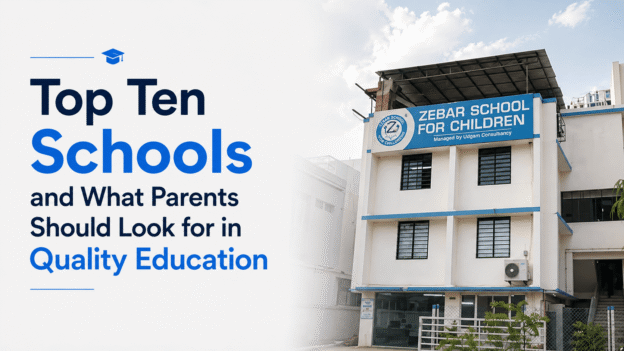
Zebar School in Ahmedabad offers a balanced approach to education with modern facilities, experienced faculty, and a focus on holistic student development, making it a strong choice for parents seeking quality education for their children.

best cbse school in ahmedaba

Choosing the Right CBSE School in Ahmedabad: A Parent’s Guide

Selecting the right school is one of the most important decisions for any parent. A school is not just a place for academic learning; it shapes a child’s personality, confidence, and future aspirations. In Ahmedabad, the wide range of educational institutions makes this decision both exciting and challenging.

Many families begin their search by exploring the list of CBSE schools in Ahmedabad to compare curriculum, infrastructure, faculty, and co-curricular opportunities. This helps narrow down choices and identify institutions that align with their child’s needs.

Why CBSE Schools Are Preferred

The Central Board of Secondary Education is one of the most respected education boards in India. Its curriculum is designed to focus on conceptual understanding, analytical thinking, and preparation for competitive exams.

Parents seeking the best CBSE school in Ahmedabad often look for institutions that:

  • Encourage interactive learning and critical thinking
  • Offer activity-based projects to develop problem-solving skills
  • Provide ample opportunities for sports, arts, and cultural activities
  • Maintain a structured and well-balanced syllabus

These schools ensure that students not only excel academically but also develop essential life skills, creativity, and confidence.

Factors to Consider When Choosing a School

Some key factors include:

  • Qualified Faculty: Experienced teachers guide students academically and personally.
  • Infrastructure: Well-designed classrooms, laboratories, libraries, and sports facilities enhance learning.
  • Safety and Environment: A secure and nurturing environment ensures holistic development.
  • Co-curricular Programs: Activities like debate, music, arts, and sports help build leadership and teamwork skills.

Choosing a school that balances academics, extracurriculars, and personal development ensures that students thrive in every aspect of their education.

Comparing Schools: A Snapshot

Using a simple table can help parents review options from the list of schools in Ahmedabad with address and make informed decisions:

School Name Area Board Key Facilities
Zebar School for Children Thaltej CBSE Smart classrooms, labs, library, sports facilities
Delhi Public School Bopal CBSE Laboratories, sports grounds, activity rooms
Kendriya Vidyalaya Vastrapur CBSE Science and computer labs, library, playground
DAV International School Makarba CBSE Music and art rooms, sports courts, library

This comparison helps parents assess infrastructure, accessibility, and extracurricular support.

Understanding Fee Structures

Fee structures are an important consideration when selecting the best school in Ahmedabad CBSE. Understanding tuition, activity charges, and additional fees ensures informed financial planning.

Typical components include:

  • Tuition fees covering academic curriculum
  • Laboratory and library access
  • Sports and extracurricular program fees
  • Technology-enabled classrooms and digital learning resources
  • Annual events and workshops

Parents should consider the value offered by the school rather than focusing solely on costs. A higher fee often reflects better facilities, qualified staff, and comprehensive programs that support student growth.

Facilities That Promote Learning

Modern schools focus on providing a well-rounded education through excellent infrastructure. The best CBSE school in Ahmedabad usually offers:

  • Smart classrooms with interactive teaching tools
  • Science and computer laboratories for practical learning
  • Spacious libraries with diverse resources
  • Sports and activity facilities for holistic growth
  • Music, art, and performing arts spaces

Such facilities allow students to explore interests, develop talents, and gain hands-on experience alongside academic learning.

FAQs About Choosing a CBSE School in Ahmedabad

  1. What is the average fee for CBSE schools in Ahmedabad?
    Fees vary depending on infrastructure, faculty, and extracurricular offerings. It is best to review the detailed fee structure directly from the school.
  2. How do I verify the authenticity of a CBSE school?
    Check the CBSE affiliation number and official recognition on the CBSE website. Accredited schools adhere to strict guidelines.
  3. Are co-curricular activities important in CBSE schools?
    Yes. Activities like sports, arts, and debates help develop soft skills, leadership qualities, and creativity alongside academics.
  4. How can I compare multiple schools effectively?
    Create a table listing facilities, location, fees, faculty, and programs offered. Visiting the campus and interacting with staff provides additional insight.
  5. What makes a CBSE school the best for my child?
    A school that balances academic rigor with extracurricular activities, provides qualified faculty, a safe environment, and modern infrastructure often becomes the best choice.

Conclusion

Choosing the right school requires careful research and thoughtful consideration. Parents should evaluate teaching quality, infrastructure, learning approach, and extracurricular opportunities to make an informed decision.

Institutions like Zebar School for Children in Ahmedabad focus on providing a balanced learning experience through experienced faculty, modern facilities, and programs designed for overall student growth. By fostering creativity, confidence, and knowledge, schools create a strong foundation for students to succeed academically and personally.

CBSE school in Ahmedabad,

Admissions in Grade 11: Choosing the Right CBSE School in Ahmedabad

Admissions in Grade 11 mark a powerful turning point in a student’s life.

Until Class 10, learning follows a structured academic path. In Grade 11, choices begin to shape the future. Subjects become more specialised, expectations increase, and conversations about careers begin to take real form.

For parents looking for the best CBSE school in Ahmedabad, this is not just another admission cycle. It is a strategic decision.

Why Grade 11 Matters So Much

Grade 11 acts as the bridge between foundational school education and higher studies.

At this stage, students benefit from:

  • Strong academic depth
    • Independent thinking skills
    • Career awareness
    • Emotional reassurance and guidance

A leading CBSE school in Ahmedabad understands that this year is not simply about completing a syllabus. It is about helping students build the discipline, curiosity, and confidence needed for the next stage of their academic journey.

Admissions in Grade 11 should therefore never be rushed. The learning environment matters just as much as the curriculum itself.

Looking Beyond Marks

Academic scores are important, but they do not fully define a student’s abilities or potential.

A reputed CBSE board school in Ahmedabad typically evaluates students beyond just exam results, considering factors such as:

  • Curiosity and intellectual engagement
    • Analytical and problem-solving ability
    • Communication and collaboration skills
    • Adaptability and openness to learning

Parents exploring senior secondary admissions should look for institutions that encourage exploration, discussion, and independent thought rather than simply focusing on academic rankings.

The right academic culture helps students grow at their own pace while still maintaining strong academic standards.

Academics With Clarity, Not Pressure

Grade 11 introduces greater academic complexity. Subjects demand deeper understanding, consistent effort, and disciplined study habits.

However, the way these subjects are taught makes a significant difference.

A strong CBSE school in Ahmedabad focuses on:

  • Conceptual understanding rather than memorisation
    • Application-based learning methods
    • Real-world relevance in classroom discussions
    • Structured preparation for board examinations

Teachers act as mentors during this stage, helping students strengthen their understanding while also building academic confidence.

Understanding Stream Selection

One of the most important decisions students make in Grade 11 is selecting their academic stream.

Most CBSE institutions offer three major options:

  • Commerce
    • Humanities

Choosing the right stream requires thoughtful guidance rather than peer influence or social expectations.

A trusted CBSE board school in Ahmedabad supports students by helping them:

  • Understand the subjects within each stream
    • Explore potential career pathways
    • Reflect on their interests and strengths
    • Make confident and informed decisions

When students select a stream that genuinely aligns with their interests, they tend to feel more motivated and engaged in their studies.

Exposure Beyond Textbooks

Grade 11 is also the stage where students begin developing a broader understanding of the world around them.

The best English medium school in Ahmedabad ensures that learning extends beyond classroom instruction by offering meaningful exposure through activities such as:

  • Cyber awareness programmes promoting responsible digital behaviour
    • Discussion forums that encourage critical thinking
    • Financial literacy initiatives for practical knowledge
    • Public speaking and debate platforms
    • Student leadership opportunities

Emotional Support Is Essential

The transition into senior secondary education can feel overwhelming for many students.

Academic expectations increase, peer comparison becomes more visible, and students may begin questioning their own abilities.

Supportive schools recognise this emotional shift and provide a nurturing environment that prioritises student wellbeing.

A well-structured academic institution typically offers:

  • Mentorship programmes
    • Counselling and guidance support
    • Open communication between teachers and students
    • Safe spaces where students feel comfortable expressing concerns

When students feel secure and understood, they are far more likely to perform well academically and personally.

The Role of Parents

Grade 11 works best when parents and schools work together.

Students benefit when the focus remains on growth rather than comparison or excessive pressure.

Healthy collaboration includes:

  • Open communication between parents and teachers
    • Encouraging curiosity rather than fear of failure
    • Supporting students as they explore their interests

Admissions in Grade 11 should feel like a guided journey where students feel supported while learning to take responsibility for their own academic path.

What the Right School Provides

By the end of Grade 11, students should ideally emerge with greater clarity and confidence about their future.

The right academic environment helps them become:

  • Academically stronger
    • Emotionally resilient
    • More self-aware
    • Confident about their direction

A truly progressive school provides a balance between discipline and encouragement, structure and flexibility, ambition and wellbeing.

Such an environment prepares students not only for board examinations but also for the challenges and opportunities of higher education.

Final Thought

When exploring senior secondary admissions, families should take time to evaluate more than infrastructure or examination results.

For parents seeking the best CBSE school in Ahmedabad, it is important to consider the school’s academic culture, mentorship approach, and commitment to holistic development.

Choosing the right school at this moment can make that journey clearer, stronger, and far more meaningful.

top schools in ahmedabad

Top Schools Shaping Tomorrow’s Leaders Through Innovative Learning

top schools in ahmedabad

Education today extends beyond textbooks and examinations. It shapes character, cultivates analytical thinking, and prepares young minds to navigate an increasingly complex world. In cities experiencing rapid economic and cultural growth, institutions must balance academic rigour with creativity and global awareness. The top schools in ahmedabad exemplify this evolution, blending structured curricula with progressive teaching methodologies to nurture confident, responsible, and forward-thinking individuals.

These institutions recognise that leadership is not a single skill but a combination of resilience, empathy, adaptability, and intellectual curiosity. Classrooms are transforming into dynamic environments where dialogue, experimentation, and collaboration replace passive memorisation. The result is a generation prepared not merely for academic success but for meaningful societal contribution.

Redefining Learning Through Innovation

Innovative learning models focus on engagement rather than repetition. Project-based assignments, experiential workshops, and technology-integrated lessons encourage students to apply knowledge in practical contexts. Digital tools complement traditional instruction, offering access to global resources and interactive simulations.

Modern institutions prioritise:

  • Inquiry-driven classroom discussions
    • Interdisciplinary projects connecting science, arts, and humanities
    • Technology-enhanced research opportunities
    • Real-world problem-solving tasks
    • Collaborative group initiatives

Such approaches cultivate independent thinking and analytical reasoning. Students learn to question assumptions, explore alternatives, and articulate informed perspectives.

Academic Structure with Vision

Strong academic foundations remain essential. Structured syllabi aligned with national standards ensure clarity and consistency in educational progression. Institutions following recognised frameworks maintain high benchmarks while incorporating innovation into everyday teaching.

A reputed cbse board school in ahmedabad often integrates co-curricular programmes with academic instruction. This balanced structure ensures learners excel in examinations without sacrificing creativity or personal development.

Academic excellence is supported through:

  • Continuous assessment and feedback
    • Individualised mentoring programmes
    • Subject enrichment workshops
    • Career guidance initiatives
    • Competitive exam preparation support

Such systematic guidance fosters steady academic growth and long-term confidence.

Holistic Development Beyond the Classroom

Leadership qualities flourish when education addresses emotional, social, and physical development. Progressive institutions design programmes that nurture empathy, teamwork, and communication skills.

Co-curricular opportunities frequently include:

  • Public speaking and debate forums
    • Performing arts and creative expression
    • Sports training and inter-school competitions
    • Community outreach and social responsibility projects
    • Environmental sustainability initiatives

Participation in diverse activities allows students to discover strengths beyond academics. Exposure to collaborative experiences strengthens interpersonal skills and cultural awareness.

Cultivating Global Perspective

In an interconnected world, global awareness is indispensable. Modern institutions introduce international perspectives through cultural exchange programmes, foreign language learning, and global case studies.

Students benefit from:

  • Cross-cultural workshops
    • Exposure to international best practices
    • Collaborative projects with global themes
    • Discussions on sustainability and innovation
    • Preparation for global academic pathways

This broadened outlook encourages adaptability and informed decision-making, essential traits for future leaders.

Integrating Technology with Purpose

Technology in education serves as a tool rather than a distraction. Smart classrooms, digital laboratories, and online research platforms enhance engagement while maintaining academic discipline.

Structured digital integration supports:

  • Interactive simulations in science and mathematics
    • Data-driven performance analysis
    • Access to global knowledge repositories
    • Blended learning modules
    • Virtual collaboration opportunities

When thoughtfully implemented, technology fosters efficiency and deepens comprehension.

Leadership Through Values and Ethics

Academic success alone does not define leadership. Ethical grounding, empathy, and integrity form the foundation of responsible citizenship. Institutions committed to holistic growth embed values within daily interactions.

Character education programmes often emphasise:

  • Respect and inclusivity
    • Environmental responsibility
    • Accountability and discipline
    • Cultural appreciation
    • Community engagement

Such initiatives create balanced individuals capable of contributing positively to society.

Infrastructure That Encourages Exploration

Learning environments influence curiosity. Well-designed campuses with science laboratories, libraries, sports facilities, and creative studios encourage exploration beyond textbooks.

A best cbse school in ahmedabad frequently combines academic resources with thoughtfully designed spaces that stimulate creativity and concentration. Spacious classrooms, innovation labs, and activity zones inspire students to engage deeply with their interests.

Infrastructure enhancements typically include:

  • Advanced science and computer laboratories
    • Comprehensive libraries with research materials
    • Dedicated art and music studios
    • Multipurpose sports complexes
    • Innovation and robotics labs

These facilities empower students to transform ideas into tangible outcomes.

Preparing Students for Competitive Futures

Educational institutions must anticipate evolving career landscapes. Integrating critical thinking, communication skills, and technological literacy ensures students remain adaptable in changing industries.

Career counselling programmes guide learners toward informed academic pathways. Exposure to entrepreneurship initiatives and real-world internships builds practical awareness.

By combining academic rigour with life skills, institutions prepare students to excel in higher education and professional environments alike.

Conclusion

The evolution of education reflects a commitment to shaping capable, ethical, and visionary individuals. Institutions that blend academic excellence with innovative methodologies contribute significantly to societal progress. For families exploring a list of schools in ahmedabad with address, Zebar School represents a commitment to balanced growth, structured learning, and forward-thinking education designed to prepare students for the demands of tomorrow’s world.

best school in Ahmedabad cbse

Redefining the Best School in Today’s Competitive Era

best school in Ahmedabad cbse

Education in the modern era is no longer defined by academic scores alone. Families today evaluate learning environments through a wider lens that includes intellectual depth, emotional maturity, adaptability, and future readiness. As expectations evolve, so does the definition of excellence in education. The idea of the best school in Ahmedabad cbse is now shaped by how effectively an institution prepares learners to think critically, collaborate meaningfully, and grow into responsible individuals within an increasingly complex world.

Academic Excellence Beyond Rote Learning

Academic rigour remains essential, yet its interpretation has changed. Strong institutions prioritise conceptual clarity over memorisation, encouraging learners to understand principles rather than reproduce answers.

Well-structured curricula focus on application-based learning, interdisciplinary thinking, and problem-solving. This approach equips students with the ability to adapt knowledge across contexts, a skill far more valuable than isolated academic achievement.

Learning Environments That Encourage Curiosity

Classrooms are no longer passive spaces. Contemporary learning environments promote inquiry, discussion, and exploration. Students are encouraged to ask questions, test ideas, and engage actively with content.

Such environments foster intellectual confidence. When curiosity is nurtured, learners develop a genuine interest in knowledge rather than viewing education as a checklist of requirements.

Role of Educators as Facilitators and Mentors

The modern educator’s role extends beyond instruction. Teachers today function as facilitators who guide learners through discovery, reflection, and critical engagement.

Strong schools invest in continuous professional development, ensuring educators remain aligned with evolving pedagogical practices. This commitment directly influences the quality of classroom interaction and long-term learning outcomes.

Holistic Development as a Core Priority

Education today recognises that academic strength alone does not define success. Emotional intelligence, communication skills, ethical awareness, and resilience are equally important.

Institutions recognised among the top schools in ahmedabad often integrate co-curricular and life-skill programmes into daily learning. Sports, arts, debates, and collaborative projects contribute to balanced personal development.

Technology as a Learning Enabler

Digital tools have become integral to contemporary education. Smart classrooms, interactive resources, and digital assessments enhance engagement and accessibility when used thoughtfully.

Technology supports personalised learning pathways, allowing students to progress at an appropriate pace while developing digital literacy essential for future careers.

Emphasis on Values and Social Responsibility

In a competitive era, values anchor individuals amid constant change. Schools that prioritise integrity, empathy, and responsibility prepare learners to navigate ethical challenges beyond academics.

Value-based education shapes character, influencing how students contribute to society. This moral grounding often distinguishes strong institutions from those focused solely on performance metrics.

Preparing Students for Global Opportunities

The modern learner operates within a global context. Exposure to diverse perspectives, collaborative learning, and communication skills prepares students for international academic and professional environments.

Institutions aligned with frameworks such as the cbse board school in ahmedabad model often emphasise analytical thinking and adaptability, supporting readiness for higher education and global engagement.

Parent-School Partnership in Education

Effective education thrives on collaboration between families and institutions. Transparent communication, shared expectations, and mutual trust strengthen the learning ecosystem.

Schools that actively involve parents create continuity between home and classroom, supporting consistent values and learning habits.

Assessment as a Tool for Growth

Assessment practices have shifted from being purely evaluative to developmental. Continuous feedback, reflective practices, and formative assessments guide improvement rather than induce pressure.

This approach encourages learners to view challenges as opportunities for growth, fostering a healthier relationship with learning.

Infrastructure That Supports Learning Goals

Physical and digital infrastructure plays a supportive role in education. Safe campuses, well-equipped learning spaces, and access to resources enhance the overall experience.

However, infrastructure gains meaning only when aligned with pedagogical intent. Thoughtful design supports collaboration, creativity, and focused learning.

What Defines the Best School in a Competitive Era

  • Concept-based academic learning
  • Skilled and adaptive educators
  • Focus on holistic and ethical development
  • Integration of technology with purpose
  • Strong partnership between families and institutions

Conclusion: Rethinking Excellence in Education

In today’s competitive landscape, the best schools are those that balance academic strength with character development, adaptability, and long-term vision. Excellence is reflected not just in results, but in the confidence, curiosity, and responsibility of learners. As families evaluate schools in ahmedabad, the focus increasingly shifts toward institutions that prepare students for life, not just examinations. Within this context, Zebar School for Children reflects the evolving understanding of what it truly means to deliver meaningful, future-ready education.

online school admission

Online School Admission vs Traditional Admission: Key Differences

extracurricular activities

Admission processes have evolved significantly with the integration of digital systems into education administration. What was once a paper-driven, location-bound exercise has gradually shifted toward technology-enabled workflows that priorities accessibility and efficiency. Parents today often evaluate both models before making a decision, especially as online school admission platforms become more structured and widely adopted. Understanding how these two approaches differ helps families choose a process that aligns with their expectations, timelines, and decision-making style.

Accessibility and Convenience

Digital admission systems remove geographical and time-related constraints. Parents can access forms, guidelines, and updates from any location, eliminating repeated visits to campuses. This accessibility proves especially beneficial for working families or those residing outside city limits.

Traditional admission, by contrast, relies on physical presence. Campus visits, form collection, and document submission often require multiple interactions. While this allows direct engagement, it can also demand greater time commitment and logistical planning.

Information Availability and Transparency

Online platforms typically centralise information. Admission criteria, timelines, fee structures, and required documentation are clearly outlined, allowing families to review details at their own pace. Automated acknowledgements and status updates further enhance transparency.

In traditional systems, information is often shared through in-person discussions or printed notices. While personalised explanations are possible, clarity may depend on availability of staff and timing of visits.

Speed and Process Efficiency

Digital systems streamline administrative workflows. Automated data entry, document uploads, and digital verification reduce processing time. Applications move through predefined stages, minimising delays caused by manual handling.

Conventional methods rely on physical verification and paperwork, which can extend timelines. Processing speed may vary depending on administrative load and staff availability, particularly during peak admission periods.

Documentation and Record Management

Online admission platforms allow secure upload and storage of documents. Digital records reduce the risk of misplacement and simplify future reference. Parents can update or resubmit documents without restarting the process.

Traditional admissions involve physical document handling. While this allows immediate verification, it also increases dependency on manual filing systems and repeated submissions if records are incomplete.

Interaction and Personal Engagement

Face-to-face admission processes offer direct interaction with administrators and educators. Parents can ask detailed questions, observe campus culture, and gauge learning environments through personal experience.

Digital systems provide structured communication through emails, dashboards, or helplines. While efficient, they may limit spontaneous discussion unless supplemented by scheduled interactions.

Decision-Making Flexibility

Online platforms allow families to compare multiple institutions simultaneously. Access to structured data supports informed comparisons without immediate commitment. This flexibility is particularly useful when evaluating options across regions.

Traditional processes often encourage focused engagement with fewer institutions at a time. Physical visits create deeper impressions but may limit the number of options explored within a short period.

Cost and Resource Considerations

Digital admissions reduce indirect costs associated with travel, printing, and repeated visits. Institutions also benefit from reduced administrative overheads, contributing to more efficient resource utilisation.

Physical admissions may involve travel expenses and time investment. However, they can provide tangible exposure to facilities and teaching environments that digital descriptions may not fully convey.

Technology Dependence and Inclusivity

Online systems depend on internet access and digital literacy. While increasingly common, these requirements may pose challenges for families less comfortable with technology.

Traditional admissions remain accessible to those preferring personal assistance and paper-based processes. This inclusivity ensures that technology does not become a barrier to access.

Role of Data Accuracy and Verification

Digital forms often include validation checks that reduce errors during submission. Automated prompts ensure completeness before applications proceed.

Manual processes rely on individual review, which allows nuanced evaluation but may also increase the likelihood of oversight during high-volume periods.

Evolving Trends in Admission Practices

Many institutions now adopt hybrid models, combining digital efficiency with opportunities for personal interaction. Online submission may be complemented by campus visits or interviews, offering balance between convenience and engagement.

Parents exploring options from a list of cbse schools in ahmedabad increasingly encounter such blended approaches, reflecting the sector’s gradual transition rather than abrupt replacement of traditional systems.

Key Differences Between Online and Traditional Admission

  • Accessibility across locations versus physical presence requirements
  • Centralised digital information compared to in-person communication
  • Faster processing through automation versus manual timelines
  • Secure digital records versus physical documentation handling
  • Flexible comparison versus focused campus-based evaluation

Conclusion: Choosing the Right Admission Approach

Both online and traditional admission processes serve distinct needs. Digital systems offer speed, transparency, and flexibility, while physical methods provide personal interaction and experiential insight. The most suitable choice depends on family priorities, access preferences, and decision-making style. When evaluating the best cbse school in ahmedabad, understanding how admission processes align with these expectations becomes essential. Within this evolving landscape, Zebar School reflects how institutions increasingly balance technology with thoughtful engagement to support informed admission decisions.

Heyansh Patel Triumphs at Brainobrainfest 2025

Heyansh Patel of Class 3 D showcased exceptional mental math skills by winning the 13th International Online Abacus Competition – Brainobrainfest 2025, bringing pride to the school community.

Swayam Vakhariya Wins National Champion Trophy

Swayam Vakhariya from Class 3 E displayed exceptional mathematical skills by winning the National Champion Trophy in the 10th Annual International Abacus, Vedic, and Mental Maths Olympiad 2024-25, showcasing his brilliance and accuracy.